WESTERN ASTROLOGY
Astrology Modalities: Cardinal, Fixed and Mutable Signs
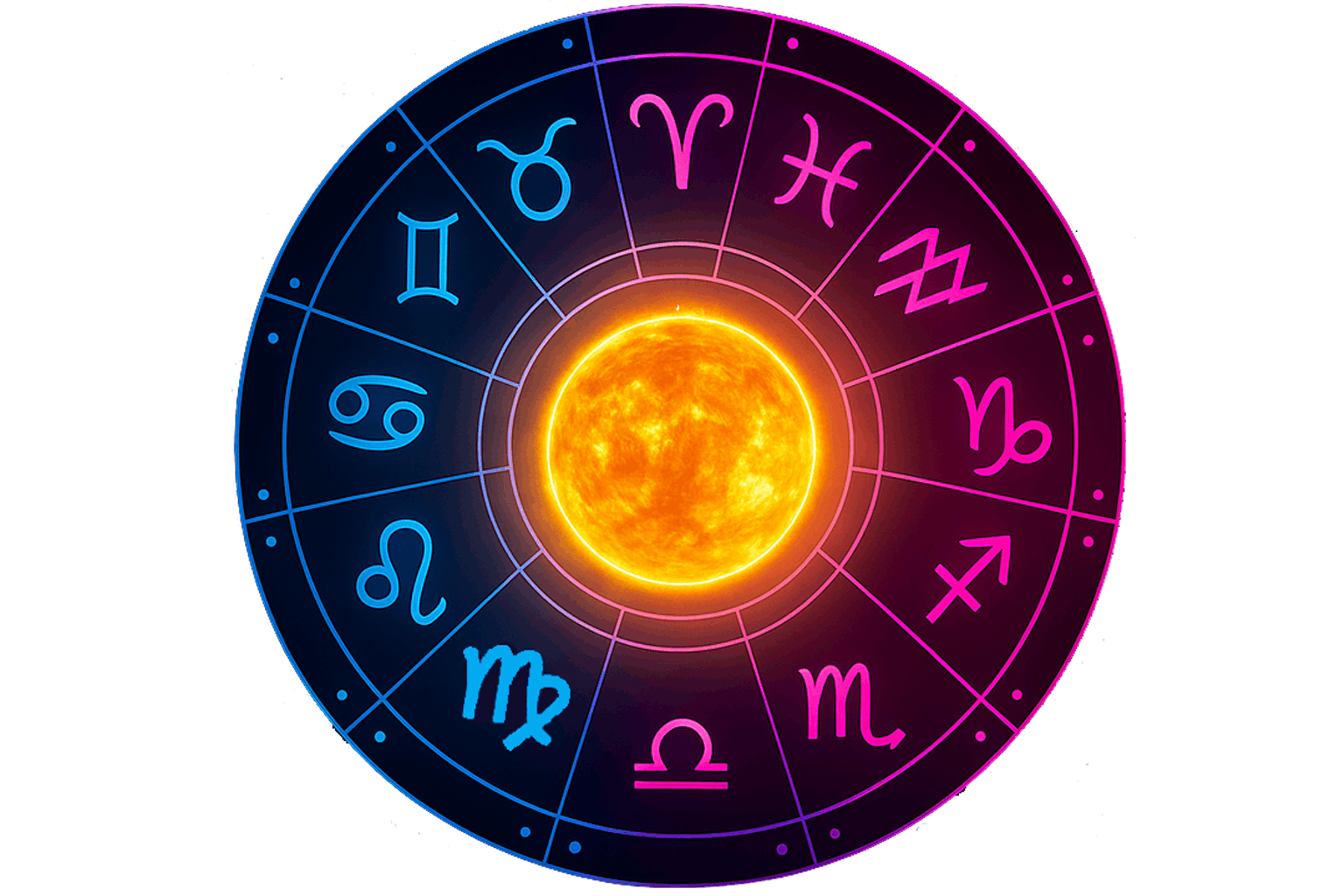
The twelve zodiac signs are divided into three groups according to their modality: Cardinal, Fixed and Mutable. This classification describes how a sign is traditionally associated with starting something, maintaining it or responding when circumstances change. It adds another layer to the meaning of a zodiac sign, alongside its element and planetary ruler.
What Are Astrology Modalities?
In Western astrology, a modality describes the way a zodiac sign expresses its energy. The three groups are also known as quadruplicities because each contains four signs.
Each element has one Cardinal sign, one Fixed sign and one Mutable sign. This means the twelve signs are distributed evenly across the three modalities.
Cardinal signs are linked with beginnings and the decision to initiate. Fixed signs are associated with continuity and the effort required to maintain something. Mutable signs are connected with adjustment, movement and the transition from one phase to another.
These are symbolic categories, not fixed descriptions of how every person behaves. A person's complete birth chart contains several planetary placements, and those placements provide a broader picture than one Sun sign alone.
Cardinal Signs: The Starting Point
Aries, Cancer, Libra and Capricorn
Cardinal signs mark the beginning of the four seasons in the traditional tropical zodiac. Their common theme is initiation: identifying a direction, making the first move or responding when a new situation calls for action.
The four signs do not initiate in the same way. Their elements give this shared quality a different expression.
Aries: Acting on an Opportunity
Aries combines Cardinal initiative with the Fire element. Its traditional symbolism is associated with direct action, personal drive and the willingness to approach a challenge without waiting for every detail to be settled. The emphasis is on getting started.
Cancer: Creating a Sense of Security
Cancer expresses initiative through the Water element. Its traditional themes include care, home and emotional security. Rather than beginning through competition or outward activity, Cancer's approach is often described in terms of establishing a supportive environment and responding to the needs of close relationships.
Libra: Establishing Cooperation
Libra brings Cardinal energy into the Air element. Its symbolism centres on interaction, fairness and the process of reaching agreements. It is associated with taking the first step toward discussion, defining expectations and finding a workable balance between different viewpoints.
Capricorn: Setting a Direction
Capricorn expresses initiative through the Earth element. Its traditional associations include responsibility, organisation and long-range objectives. The starting point here is often a plan: deciding what needs to be achieved and identifying the practical steps required to reach it.
Fixed Signs: The Work of Maintaining
Taurus, Leo, Scorpio and Aquarius
Fixed signs occupy the middle of the four seasonal periods in the traditional tropical zodiac. Their modality is associated with continuity, concentration and the ability to stay with something after the initial excitement has passed.
This does not simply mean refusing to change. Fixed symbolism is also connected with developing a skill, protecting something valuable and giving an existing effort enough time to produce results.
Taurus: Preserving What Has Value
Taurus combines Fixed modality with Earth. Its traditional themes include material stability, resources, comfort and personal values. This sign's approach is associated with building security gradually and preferring results that can be maintained over time.
Leo: Sustaining Creative Expression
Leo brings Fixed quality to the Fire element. Its symbolism includes creativity, recognition and personal expression. The emphasis is not only on having an idea but also on giving it continued attention and developing a consistent creative direction.
Scorpio: Staying With Difficult Subjects
Scorpio combines Fixed modality with Water. Its traditional associations include emotional depth, privacy, trust and transformation. The sign is often linked with sustained attention to matters that require patience, investigation or a willingness to deal with complicated feelings.
Aquarius: Holding to an Idea
Aquarius expresses Fixed quality through Air. Its symbolism is associated with ideas, communities, systems and wider social questions. It can represent a commitment to a principle or a particular way of thinking, even when that position is not immediately shared by others.
Mutable Signs: Adjusting to What Comes Next
Gemini, Virgo, Sagittarius and Pisces
Mutable signs correspond to the closing part of each seasonal period in the traditional tropical zodiac. Their modality is associated with adaptation, exchange and preparation for changing conditions.
Mutable energy is not limited to changing one's mind. It can also involve gathering information, improving an existing method, considering alternatives or helping a process move from one stage to another.
Gemini: Changing Through Information
Gemini combines Mutable modality with Air. Its traditional themes include communication, learning and the exchange of information. This sign is associated with comparing viewpoints, asking questions and following more than one line of thought.
Virgo: Improving Through Adjustment
Virgo expresses Mutable quality through Earth. Its symbolism centres on practical analysis, organisation and refinement. Rather than accepting a method simply because it already exists, Virgo is associated with examining details and identifying where a process could work better.
Sagittarius: Expanding Through Experience
Sagittarius brings Mutable quality to Fire. Its traditional associations include exploration, education, philosophy and the search for a wider perspective. Its approach to change is often linked with encountering unfamiliar ideas and reconsidering what it previously understood.
Pisces: Responding to Subtle Changes
Pisces combines Mutable modality with Water. Its symbolism includes imagination, sensitivity and compassion. It is associated with responding to emotional undercurrents and circumstances that may not have a clear or immediate solution.
How Modalities Relate to the Four Seasons
The seasonal pattern is one of the clearest ways to understand why the three modalities are arranged as they are in Western tropical astrology.
In the traditional Northern Hemisphere seasonal framework, Cardinal signs begin the seasons, Fixed signs occupy their middle and Mutable signs correspond to their closing phase. The sequence is:
- Cardinal: Aries begins spring, Cancer begins summer, Libra begins autumn and Capricorn begins winter.
- Fixed: Taurus, Leo, Scorpio and Aquarius occupy the middle portions of those seasonal periods.
- Mutable: Gemini, Virgo, Sagittarius and Pisces correspond to the transitions toward the next season.
This is a feature of the tropical zodiac's seasonal symbolism. The physical seasons are reversed in the Southern Hemisphere, but the traditional tropical zodiac retains the same sign and modality sequence.
Cardinal, Fixed and Mutable: A Comparison
The table below summarises the main distinction between the three groups. These descriptions refer to astrological symbolism rather than guaranteed personality traits.
| Modality | Signs | Main Association | Typical Role in a Process |
|---|---|---|---|
| Cardinal | Aries, Cancer, Libra, Capricorn | Initiative | Beginning or directing |
| Fixed | Taurus, Leo, Scorpio, Aquarius | Continuity | Maintaining or developing |
| Mutable | Gemini, Virgo, Sagittarius, Pisces | Adaptation | Adjusting or transitioning |
How to Read Modalities in a Birth Chart
Your Sun sign is only one placement in a birth chart. The Moon, Ascendant and other planets also occupy zodiac signs, so a chart can contain a mixture of Cardinal, Fixed and Mutable placements.
For example, someone with a Cardinal Sun, Fixed Moon and Mutable Ascendant has three different modality influences across these placements. In astrological interpretation, this combination may be explored as a contrast between initiating action, maintaining emotional consistency and adjusting one's outward approach.
A fuller assessment considers the entire chart rather than relying on three placements alone. Astrologers may examine the distribution of planets across the modalities, give attention to prominent placements and consider aspects between planets. Different interpretive traditions may also use different weighting methods.
A chart with several Fixed placements, for instance, should not automatically be labelled stubborn. The signs, planets, houses and aspects involved all affect how that pattern is interpreted.
To explore these placements, you can learn more about the twelve zodiac signs, the four elements and the planets in astrology. A birth chart report can also provide a broader interpretation of planetary placements and their relationships.
Frequently Asked Questions
How many modalities are there in astrology?
Western astrology uses three modalities: Cardinal, Fixed and Mutable. Each group contains four zodiac signs.
Can a zodiac sign belong to more than one modality?
No. Each of the twelve zodiac signs belongs to one modality. However, a person's birth chart can contain planets in signs from all three groups.
Are modalities the same as elements?
No. Elements describe a different symbolic classification of the signs. Fire, Earth, Air and Water are the four elements, while Cardinal, Fixed and Mutable are the three modalities. Each sign has one of each.
Do modalities determine someone's personality?
No single modality determines a person's behaviour. In astrology, modalities are interpretive categories used alongside planetary placements, signs and aspects. They should not be treated as psychological assessments or scientifically established personality measures.
Disclaimer: Astrology is a traditional interpretive system and is provided here for informational and entertainment purposes. Its personality descriptions and interpretations are not scientifically established facts and should not replace professional advice.